
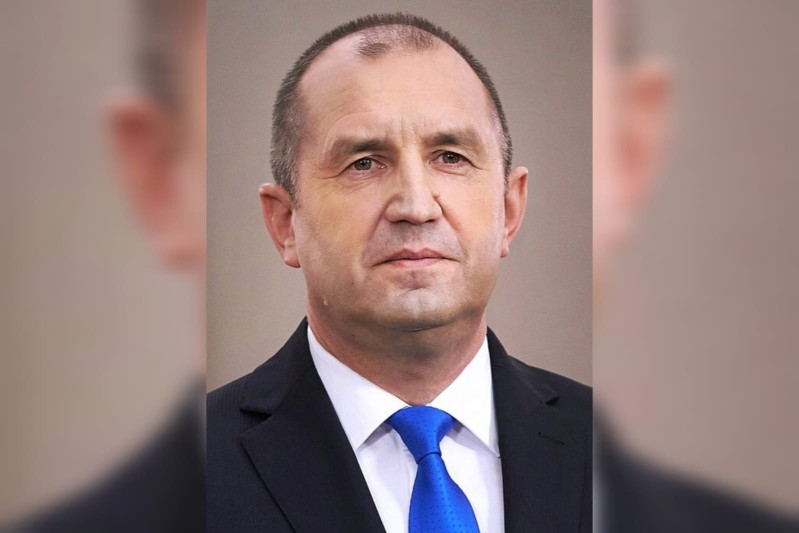
On May 8, Bulgaria’s newly-elected Prime Minister Roumen Radev announced that his government would not impose price ceilings but would instead utilize market economy tools to ease prices and shorten retail chains. Addressing reporters after Parliament approved his administration, Radev highlighted that curbing rising prices would be a primary focus. He revealed that legislative changes are in preparation to clarify pricing processes and tackle unfair competition, stressing the need for robust sanctions and control mechanisms against those hindering healthy competition.
Radev also underlined the importance of supporting Bulgarian producers, ensuring their market access is swift and straightforward. He expressed concern over practices forcing local producers to sell at near-cost prices, particularly affecting dairy and livestock sectors, and vowed to combat these trends. As he convened his Cabinet’s first meeting, Radev outlined the government’s leading goals, which include judicial reform, combating corruption, and securing funds under the Recovery and Resilience Plan. He emphasized the need for a comprehensive understanding of the country’s current state, instructing ministers to conduct a detailed analysis of each department’s financial situation and administration.
In terms of governance, Radev committed to dismantling oligarchic structures, highlighting the necessity of an independent Prosecutor’s Office and a new Supreme Judicial Council. He announced plans to present Parliament with proposals for comprehensive judicial reform to ensure justice is swift, accessible, and fair. On the business front, Radev aims to enhance Bulgaria’s investment climate by increasing digitalization, reducing regulations, and fostering a more business-friendly environment. He also stressed the modernization of the Bulgarian military and the Interior Ministry’s role in combatting crime, particularly drug trafficking among youth, as a national security threat.
Radev also addressed foreign policy, emphasizing the importance of upholding Bulgarian interests within international alliances. In education, he prioritized improving functional literacy among young people to support their future professional growth. Healthcare initiatives include accelerating the construction of the National Children’s Hospital and eliminating abuses in the healthcare system, particularly the unethical trade of medicines. Social solidarity remains a top concern, with a focus on guaranteeing support for the most vulnerable groups.
Transport and infrastructure development are also on the agenda, with the Cabinet aiming to enhance connectivity through public-private partnerships. In the energy sector, the focus will be on maximizing the use of domestic resources to ensure energy security and affordability. Radev highlighted the importance of food security and promoting Bulgarian products, alongside efforts to balance business, production, and environmental sustainability. Lastly, he underscored the value of developing Bulgarian culture, preserving cultural heritage, and promoting mass sports for children.