
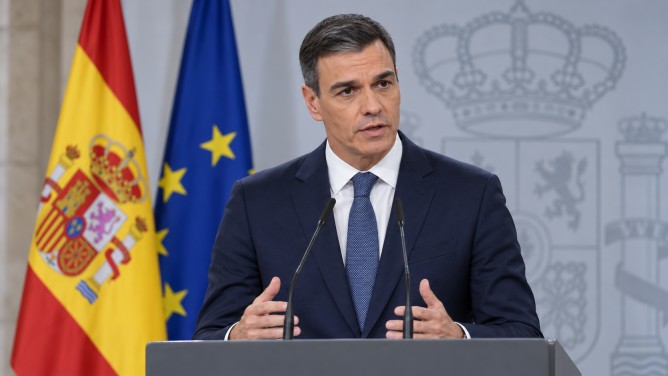
Spain is set to hold a snap general election on November 29 following the dissolution of its parliament. This move comes after Prime Minister Pedro Sánchez’s government failed to secure parliamentary approval for key housing measures aimed at protecting vulnerable tenants and addressing rental housing issues. The defeat of these proposals, which was due to opposition parties and the Catalan party Junts voting against them, underscored the challenges Sánchez faces in maintaining support in a fragmented parliament.
The election campaign will officially commence on November 13, with November 28 designated as a day of reflection. The outcome of the election will determine the composition of Spain’s next government and whether Sánchez remains in power. However, forming a stable government could be challenging if no party gains a majority to govern independently.
Key issues expected to dominate the campaign include housing, taxation, immigration, energy prices, healthcare, pensions, and the cost of living. Sánchez’s administration has also faced scrutiny over agreements with regional parties, including a controversial deal with Junts that supported his return as prime minister in 2023. Additional pressures on his government stem from criticism regarding the handling of the COVID-19 lockdown, the 2025 nationwide power blackout, and corruption investigations involving figures linked to the governing Spanish Socialist Workers’ Party (PSOE).
The upcoming election presents a pivotal moment for Spain as it navigates these complex political and social challenges. Voters will decide whether to extend Sánchez’s tenure or shift control to a new political coalition. As the election date approaches, parties will intensify their efforts to address voter concerns and secure the necessary support to form a government.