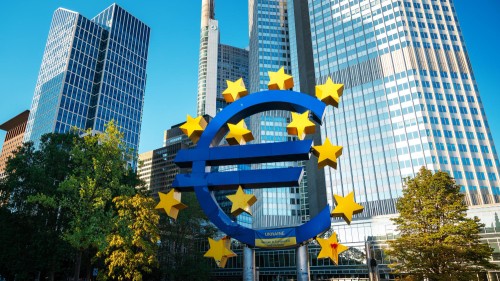
In a significant policy shift, the European Central Bank (ECB) has raised interest rates for the first time since 2023, addressing the surge in inflation fueled by escalating energy costs linked to the ongoing conflict in Iran. The ECB increased its main deposit rate from 2% to 2.25%, a move that financial markets had anticipated, and further rate hikes are expected if inflationary pressures continue. Eurozone inflation rose to 3.2% in May 2026, up from 3% in April, primarily driven by the spike in oil and gas prices due to global supply disruptions. Despite the current inflationary trend, the ECB maintains its official inflation target at 2%.
Officials from the ECB have expressed concern over the uncertain economic outlook, noting that persistent geopolitical tensions may keep energy prices high, potentially exacerbating consumer price pressures across the region. In conjunction with the interest rate hike, the ECB has revised its growth forecasts for the eurozone economy downward, citing weaker demand and ongoing global instability as contributing factors. This adjustment indicates a shift in the central bank’s focus, prioritizing inflation control over immediate economic growth concerns.
The financial community is divided on the extent of the ECB’s tightening cycle, with some analysts predicting one or two more rate increases, while others suggest that the slowing economic growth could restrain further action. This divergence of opinions highlights the delicate balance the ECB must navigate between curbing inflation and supporting economic growth amid challenging global conditions.
As the ECB takes decisive steps to address inflation, other major central banks, including those in the United States and the United Kingdom, are closely monitoring inflation trends, given that energy market volatility continues to shape global monetary policy. This international focus underscores the interconnected nature of modern economies and the shared challenges posed by inflation and geopolitical uncertainties.