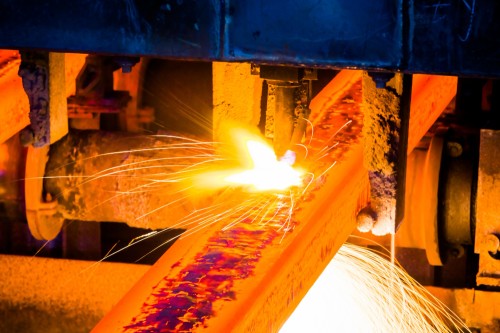
The European Union is set to significantly reduce its duty-free steel imports from foreign suppliers by 50% in a bid to safeguard its industries against inexpensive imports, particularly from China. This move, slated to take effect from July 2026, aims to curb trade diversion and bolster European manufacturers. However, nations with free trade agreements (FTAs) with the EU, such as the United Kingdom, will see smaller reductions in their steel export quotas, facing cuts of about one-third instead of half.
This adjustment will see tariff-free steel imports from non-EU countries nearly halved compared to 2024 levels, with any excess imports subjected to tariffs potentially reaching 50%. EU Trade Commissioner Maroš Šefčovič emphasized that the introduction of clear quota rules is intended to bring stability to businesses while ensuring that the steel market remains functional. The quotas were determined based on historic trade levels from 2022 to 2024, encompassing 28 categories of steel products utilized in sectors like automotive and construction.
The policy represents a significant divergence in trade relations between the EU and the UK post-Brexit. In response to similar pressures, the UK has also implemented measures to control foreign steel imports and promote its domestic steel industry. The EU’s decision comes amidst global market challenges due to excessive steel production in China, with European officials citing influences from shifts in global trade, partly as a result of US tariffs introduced under former President Donald Trump.
In addition to the UK, other countries with FTAs, including Türkiye, India, South Korea, Brazil, and Ukraine, will also benefit from the more favorable treatment regarding their steel export quotas. While the EU had previously considered establishing a “steel club” with the UK and the US to protect against unfair competition, the new quota system indicates a more selective approach. Nevertheless, officials remain hopeful that future collaborations will provide protection for European and partnering industries from the challenges posed by global steel oversupply.