
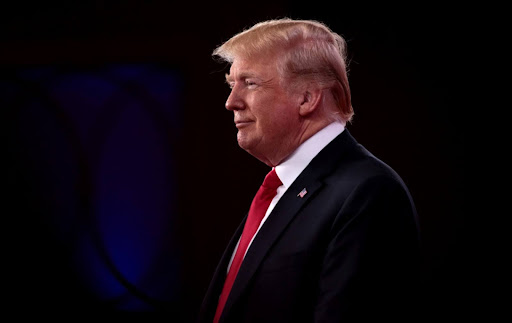
Donald Trump launched a blistering attack on NATO on Tuesday after the alliance’s members refused to back the United States and Israel in their military campaign against Iran. Speaking both on social media and from the Oval Office, Trump used unusually direct language to describe his disappointment. He called the alliance’s refusal to help a “foolish mistake” that he would not forget.
The US has long been the financial backbone of NATO, covering a disproportionate share of the alliance’s operating costs. Trump has frequently used this fact to argue that European allies owe the United States greater loyalty and cooperation. His latest statements reflect that deep-rooted frustration with what he sees as an unequal arrangement.
Trump detailed what he described as sweeping military achievements in Iran, including the destruction of the country’s naval and air capabilities. He further claimed that anti-aircraft and radar systems had been eliminated and that Iranian leadership had been effectively removed. His tone throughout was confident and dismissive of any suggestion that the outcome could have been stronger with allied support.
These claims, if substantiated, would mark a historic turning point in US-Iran relations and Middle Eastern security dynamics. Trump appeared energized by the reported results, using them as a platform to reinforce his view of American military superiority. The message was clear: Washington does not need permission or partnership to act.
The fallout from Trump’s remarks may linger long after the military operation concludes. NATO allies face the challenge of responding without further inflaming a relationship already under strain. The episode adds another complicated layer to the future of Western collective security.