
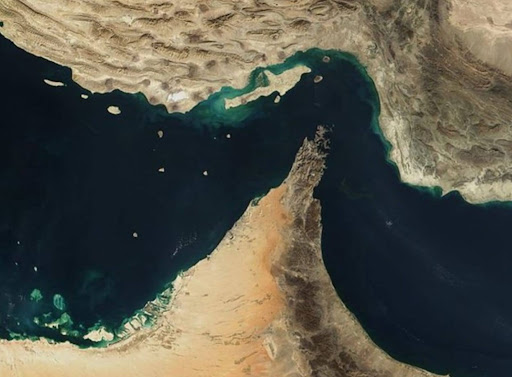
The closure of the Strait of Hormuz by Iran has plunged global energy markets into turmoil, even as President Donald Trump’s calls for allied warships to defend the passage have been met with polite deflection from key partners. Trump urged nations including the UK, Japan, South Korea, France, and China to send naval forces to the embattled waterway — claiming, without firm evidence, that many were already preparing to do so. In reality, not a single named country has agreed to dispatch naval vessels to the region.
Iran sealed off the strait in retaliation for airstrikes by the United States and Israel, triggering what analysts have described as the most severe oil supply disruption in history. The strategic waterway normally carries about one-fifth of the world’s oil exports. Tehran has explicitly declared that tankers bound for US, Israeli, or allied ports are legitimate military targets and will face immediate destruction. Sixteen shipping vessels have been struck since the conflict began in late February, and Iran has also threatened to deploy explosive mines across the shipping lane.
The responses from targeted nations have ranged from cautious to decidedly negative. France’s defence minister was unambiguous: no French warships would enter the strait while fighting continued. The UK expressed a willingness to consider options including mine-hunting drones but stopped short of any firm military pledge. Japan’s ruling party officials noted that while there was no absolute legal bar to deploying warships, the threshold was extremely high in practice. South Korea said it was examining its options carefully and monitoring the situation before making any decisions.
The economic fallout is immense and growing. One-fifth of global oil exports normally transit the Strait of Hormuz, and the disruption has sent prices spiralling internationally. Nations across Asia and Europe that depend on Gulf oil are struggling to adjust. Within the EU, discussions are taking place about expanding the Aspides naval mission — which currently guards ships from Houthi drone and missile attacks — toward the Persian Gulf. However, Germany’s foreign minister has voiced serious doubts about the mission’s effectiveness and whether expanding it would actually improve maritime security in any meaningful way.
China stands at the crossroads of competing interests: it is an ally of Iran and simultaneously one of the largest consumers of Gulf oil. Beijing has avoided any talk of military involvement, instead focusing on diplomacy. The Chinese embassy described its role as strengthening communication with relevant Middle Eastern parties and working toward de-escalation. US Energy Secretary Chris Wright expressed hope that China’s influence over Iran would help reopen the strait, noting he had engaged in dialogue with several nations about coordinating a broader response.