
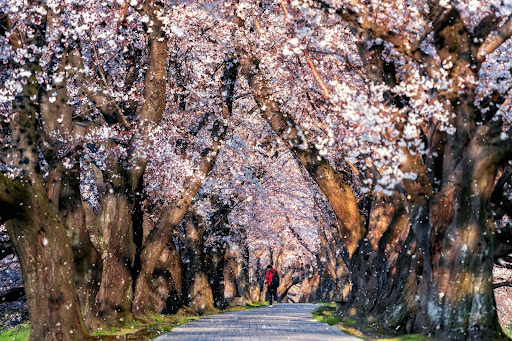
Spring in India brings with it one of the most underappreciated natural phenomena in the country — a rolling wave of cherry, plum, peach, and apricot blossoms that transforms hill towns and valleys from Kashmir to the northeast. These blooms, appearing across different regions at different times of year, collectively create a blossom calendar that keeps India in flower for months. Travelers who have witnessed these displays often say they rival anything Japan’s renowned sakura season has to offer.
In Himachal Pradesh’s Kullu Valley, the village of Dobhi is a hidden gem where fruit orchards deliver a sequential explosion of color each spring. First come the pink apricot and peach blossoms, followed by the white plum blossoms that appear dramatically on trees that were bare just days before. The transition happens quickly — the full bloom of each variety lasts only three to four days — but those lucky enough to witness it describe the experience as one of the most magical encounters with the natural world they have ever had.
Almora in Uttarakhand is another destination that captivates blossom seekers, particularly the Kasar Devi area where Himalayan cherry and peach blossoms emerge in late February and March. The contrast of white blossoms against the deep blue of a clear Himalayan afternoon sky is one of the most photographed and most personally moving sights in the region. Rhododendron flowers in brilliant red also bloom during this period, adding further drama to an already extraordinary landscape.
Kashmir’s Srinagar is perhaps the most internationally celebrated of India’s blossom destinations, with its famous Mughal gardens attracting visitors from across the world during the late March to early April cherry blossom window. The gardens of Badamwari and Shalimar Bagh take on an otherworldly quality during peak bloom, and local garden caretakers speak of how the blossoms connect the present-day valley to centuries of spring garden heritage dating back to the Mughal period. A local cultural tradition involving families gathering to watch children catch falling petals near Dal Lake adds a warm human dimension to the natural spectacle.
Ladakh and Shillong offer two additional and distinctly different blossom experiences that complete India’s diverse seasonal offering. Ladakh’s Apricot Blossom Festival in Nubra Valley celebrates blooms alongside traditional culture in mid-April, while Shillong’s Cherry Blossom Festival stands alone as India’s only autumn blossom event, taking place in November amid the pine-covered Khasi Hills. The peak bloom in Shillong lasts approximately two weeks, while Ladakh’s most intense phase spans just four to six days — making timing a critical element of both experiences.