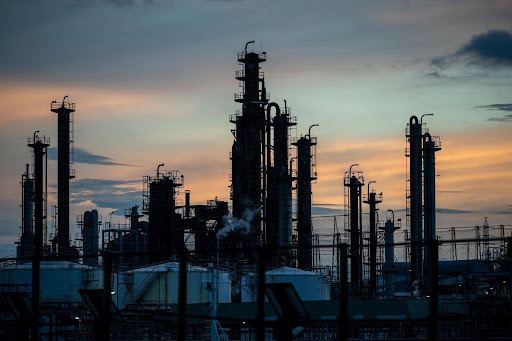
Oil prices surged past $100 a barrel Thursday as Iran carried out widespread strikes on energy facilities and merchant vessels across the Middle East, rattling financial markets worldwide. The attacks underscored Iran’s strategy of targeting economic infrastructure to retaliate against US and Israeli military pressure. Emergency measures by consuming nations failed to fully calm markets.
The Thai-registered ship Mayuree Naree was among vessels struck near the Strait of Hormuz, with its owner reporting three crew members believed to be trapped. Iraq announced it was suspending all operations at its oil export ports following attacks on tankers nearby. Bahrain warned residents to remain at home after fuel tanks in the Muharraq Governorate were hit.
Brent crude gained 9% during Thursday trading to briefly reach $100.29 a barrel before slipping back to around $98. The price has risen dramatically since the conflict began — from approximately $60 a barrel at the start of the year to a peak of $119 earlier in the week. West Texas Intermediate also climbed sharply, rising 8.6% to $94.75 a barrel.
The International Energy Agency announced the largest emergency reserve release ever coordinated, with 32 member nations agreeing to collectively release 400 million barrels of crude. The United States pledged 172 million barrels from its Strategic Petroleum Reserve, with the energy secretary confirming deliveries would begin within a week. The release was designed to replace supply disrupted by the ongoing conflict.
Despite these interventions, analysts warned the situation remains precarious. Goldman Sachs raised its Q4 2026 Brent price forecast from $66 to $71 per barrel. A Deutsche Bank market strategist flagged the risk of a broad stagflationary shock, noting that the absence of de-escalation signals is keeping energy markets in a state of sustained anxiety.