
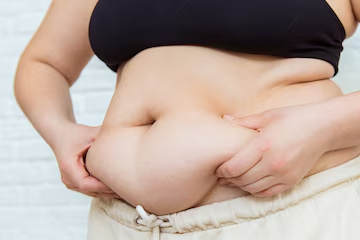
In the ongoing conversation about weight management and health, we’ve been conditioned to focus on numbers—pounds lost, inches reduced, BMI calculated. However, gastroenterology experts are redirecting attention to a simpler, more revealing assessment that anyone can perform at home: evaluating the firmness of abdominal fat.
The texture test is straightforward but profoundly informative. When you press your hand against your abdomen, pay attention to what you feel beneath your fingers. A soft, yielding sensation—the kind where you can easily grasp flesh between your thumb and fingers—typically indicates subcutaneous fat. This superficial layer sits between your skin and the underlying abdominal muscles, serving primarily as energy storage. While carrying excess subcutaneous fat isn’t optimal for overall health, it represents a relatively benign form of adipose tissue.
The situation changes dramatically when your belly feels hard, tight, or resistant to pressure despite visible protrusion. This firmness betrays the presence of visceral fat, which has accumulated in the peritoneal cavity surrounding your internal organs. Unlike subcutaneous deposits that you can pinch and see, visceral fat hides deep within your body, wrapping around the liver, encasing the pancreas, and infiltrating the spaces between your intestines.
The health implications of this distinction cannot be overstated. Visceral fat exhibits high metabolic activity, constantly releasing free fatty acids, inflammatory proteins called cytokines, and various hormones into your circulation. This biochemical assault interferes with normal insulin function, forcing your pancreas to produce increasingly higher amounts of insulin to achieve the same blood sugar control—a condition known as insulin resistance that often progresses to full diabetes. The liver, already working to process the excess fatty acids released by visceral deposits, becomes overwhelmed and begins storing fat within its own cells, leading to non-alcoholic fatty liver disease.
Your cardiovascular system pays a heavy price as well, with chronic inflammation promoting atherosclerosis, arterial stiffness, and elevated blood pressure—all major risk factors for heart attacks and strokes. The solution lies not in crash dieting or obsessive calorie counting, but in fundamental lifestyle recalibration. Prioritize high-quality protein sources that support lean muscle mass and satiety, commit to daily physical activity that you genuinely enjoy and can sustain, and treat sleep as a critical component of metabolic health rather than a flexible convenience. These evidence-based interventions address the root physiological imbalances driving visceral fat accumulation.