
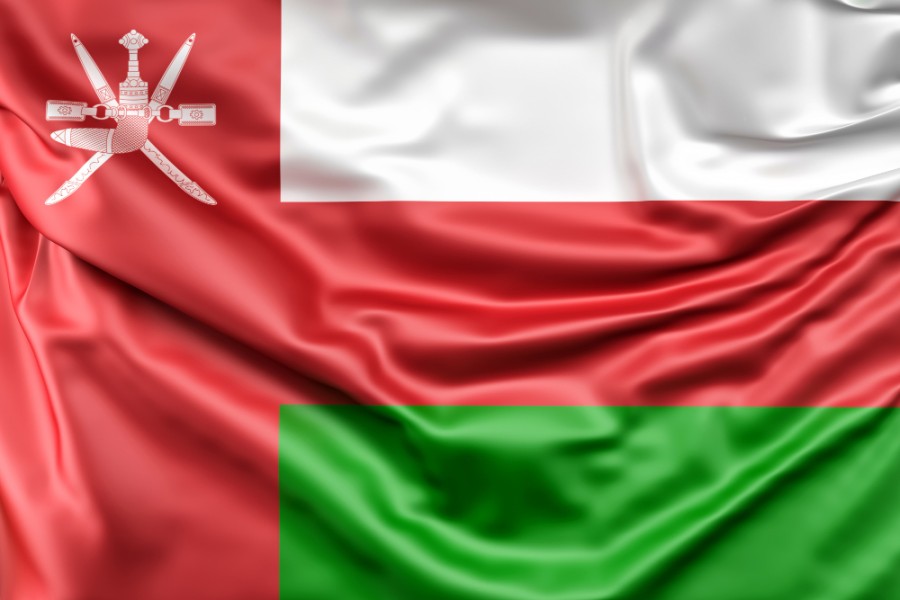
Oman has reaffirmed its commitment to maintaining open lines of communication with Iran, emphasizing that its interactions are strictly aimed at ensuring the lawful management of the Strait of Hormuz. This stance comes amid pressure from the United States, which has encouraged Oman to distance itself from Tehran. As a longstanding partner of the U.S. and a neutral mediator in the region, Oman has historically engaged with various parties, including Iran, to foster diplomatic dialogues.
Omani officials have clarified that their focus is on formulating a maritime governance framework that adheres to international law, in collaboration with global maritime authorities. This approach underscores Oman’s dedication to maintaining peace and security in one of the world’s most crucial maritime corridors. The United States, however, has expressed concerns regarding Oman’s neutral stance, fearing it may inadvertently support Iran’s regulatory approach to the strategic waterway.
Iran has introduced a proposal for a structured management system for the Strait of Hormuz, which includes a non-discriminatory fee framework to support environmental protection and maritime safety efforts. Despite this initiative, international maritime authorities have opposed the imposition of tolls or discriminatory charges on international straits, citing potential impacts on the freedom of navigation, a principle Oman strongly upholds.
Oman continues to assert its support for unrestricted passage as per international maritime law, assuring that it does not impose transit tolls on vessels passing through the strait. Nonetheless, the country provides essential maritime services, including rescue operations and navigation assistance, to ensure safety and compliance in the region.
The situation underscores escalating geopolitical tensions in the Gulf, centered around the strategic Strait of Hormuz. This vital shipping route plays a crucial role in the global oil trade, with a substantial portion of the world’s oil supply traversing its waters. As discussions and diplomatic maneuvers continue, the international community remains vigilant of developments that could impact this pivotal maritime passage.