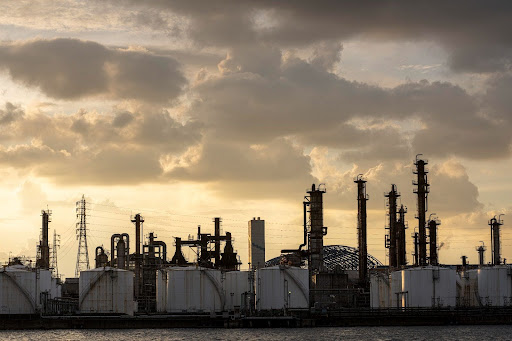
A full-blown oil crisis gripped global markets as fighting between Iran and Israel spilled across the Gulf region, threatening some of the world’s most critical energy infrastructure. Oil prices crossed the $100 per barrel mark, alarming governments and businesses that had hoped the conflict would remain contained.
Israeli strikes on Iranian oil storage facilities in and around Tehran killed four energy workers and shrouded the capital in dense black smoke. The attacks prompted immediate threats of retaliation from Iran’s Revolutionary Guards, who warned that Gulf states would face similar strikes if they allowed their airspace or military bases to be used against Iran.
Saudi Arabia, the UAE, Qatar, Bahrain, and Kuwait all came under fire over the weekend, with Saudi forces intercepting 15 drones in a single day. A desalination plant in Bahrain was damaged, and two people were killed in a residential strike in the Saudi city of Al-Kharj, underscoring the human cost of the expanding conflict.
Iran’s clerical leadership added political drama to the military crisis, appointing Mojtaba Khamenei — son of the late supreme leader — as the country’s new highest authority. The appointment, historic and deeply controversial, marked the first transfer of supreme leadership from father to son since Iran’s 1979 Islamic Revolution.
On the economic front, the United States attempted to reassure markets by pledging not to target Iranian oil infrastructure and predicting that supply disruptions would be brief. But with Iran producing roughly four percent of global oil — much of it exported to China — traders were unconvinced, and prices continued their upward march.