
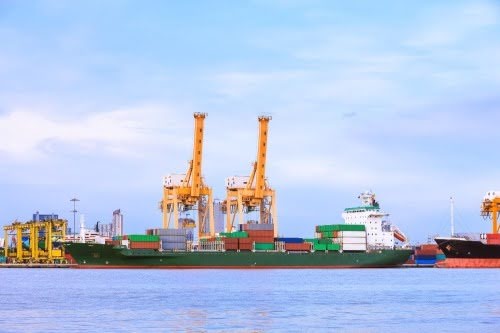
Europe is grappling with a new wave of economic disruption from China, which threatens local manufacturing sectors and could lead to significant job losses and industrial dependency on Beijing. Industry experts are drawing parallels to the “China shock” that hit the U.S. 25 years ago, when China joined the World Trade Organization, leading to a surge in imports that displaced local industries and resulted in the loss of up to 2.5 million jobs. Jens Eskelund, president of the European Chamber of Commerce in Beijing, highlights the growing dependence on Chinese components rather than just finished goods, noting the increasing integration of these imports into the European industrial framework.
As the European Union grapples with these challenges, it faces critical decisions on how to respond. The Financial Times recently reported that the EU is contemplating a mandate that would require companies to source critical components from at least three different suppliers to reduce reliance on China. Ahead of critical discussions scheduled for May 29, Oliver Richtberg of VDMA, the European trade organization for machinery and equipment manufacturing, praised Brussels for its proactive engagement but criticized Berlin’s lack of action. He pointed out that state subsidies in China and currency fluctuations have made Chinese products cheaper, creating a tough competitive environment for European industries.
The situation is further exacerbated by data indicating a significant dependency on Chinese imports. For instance, the EU imports 52% of its amino acid ingredients from China by value, but this figure jumps to 88% by volume. Even more concerning is that 96% of polyhydric alcohols used in various industries are sourced from China. This reliance raises alarms about the sustainability of EU production, as low-priced Chinese supplies could render local manufacturing economically unviable. Trade figures also show that China’s trade surplus with the EU is expanding, undermining efforts like the 2024 EU tariffs on Chinese electric vehicles.
In recent years, China has overtaken the U.S. as Germany’s top trading partner, with imports from China to Germany soaring while exports have declined. The result has been a doubling of China’s trade surplus with Germany between 2024 and 2025. The sharpest impact has been felt in Germany’s car manufacturing sector, which saw a loss of about 51,000 jobs in that period. Jens Eskelund warns of the existential threat posed by Europe’s growing reliance on China, noting significant job losses in Germany’s machinery industry and the broader implications for national security.
To address these challenges, the EU has proposed two legislative measures: the Industrial Accelerator Act and an update to the Cyber Security Act of 2019. However, these initiatives will not take effect until 2027, leaving immediate concerns unaddressed. Andrew Small of the European Council on Foreign Relations points out that the current tools used by the EU are inadequate given the level of imports. He emphasizes the need for more substantial measures, noting the considerable political effort already invested in implementing tariffs. As the EU navigates its response, it must also consider China’s potential to disrupt countermeasures, maintaining its export flow to Europe.