
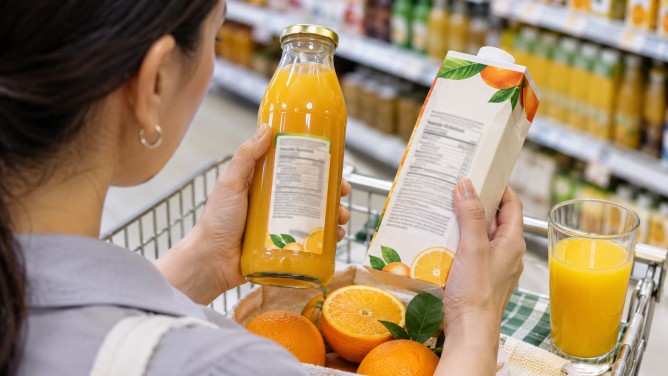
When browsing the supermarket aisles, you might notice that not all fruit beverages are created equal. The packaging might be appealing, but the nutritional content can differ vastly between products. Understanding these differences is crucial for making healthier choices for you and your family.
Products labeled as 100% fruit juice generally contain juice extracted directly from fruits or reconstituted from concentrate. However, this does not imply they are devoid of natural sugars. While fruit juice can provide essential vitamins and minerals, it lacks the dietary fiber found in whole fruits, making it less beneficial for digestion and fullness. Additionally, consuming whole fruits is typically more advantageous due to their fiber content and the satisfaction from chewing.
Not every fruit-flavored beverage is primarily composed of fruit juice. There are distinctions between various types of fruit beverages. Fruit nectars, for instance, mix fruit pulp with water and contain varying levels of fruit content. Fruit-based drinks often have a smaller proportion of fruit and include water, sweeteners, and flavorings. Some beverages may merely mimic the taste of fruit without containing much actual fruit.
To make healthier decisions, it is vital to scrutinize product labels. Check the percentage of fruit content, as a higher percentage indicates a more fruit-centric beverage. The ingredient list is also revealing; if sugar or water is listed before fruit ingredients, it suggests a lower fruit content. Additionally, examining the total sugar content and understanding marketing claims can prevent misconceptions. Words like “natural” or “no added sugar” do not necessarily imply a healthier choice.
Whole fruits should remain a staple in your diet over fruit juices. They offer a combination of fiber, vitamins, and minerals, providing a more satisfying and nutritionally complete option. Nonetheless, if you do enjoy fruit juice, moderation is key. A small serving can be an occasional treat, but relying on it for daily hydration is not recommended.
Ultimately, choosing a healthy fruit beverage involves more than just attractive labels. Being mindful of the fruit percentage, ingredient list, sugar content, and serving sizes will guide you toward more informed decisions, contributing to better dietary habits.