
A briefing document prepared by Ukrainian defense officials and presented to the Trump administration last August contained a stark warning: Iran was improving its Shahed drone program and American bases in West Asia were vulnerable. That warning went unheeded. Months later, those same drones are killing American soldiers and costing the US military millions of dollars per engagement.
Ukraine’s expertise in drone warfare is unmatched among US allies. Russia has deployed Iranian-designed Shahed drones — locally produced under the name Geran — in enormous numbers against Ukrainian targets. Faced with this threat, Ukraine built a cost-effective interception network combining low-cost drones, radar, and sensors that has successfully neutralized hundreds of incoming weapons. It was this system that Kyiv offered to share with Washington.
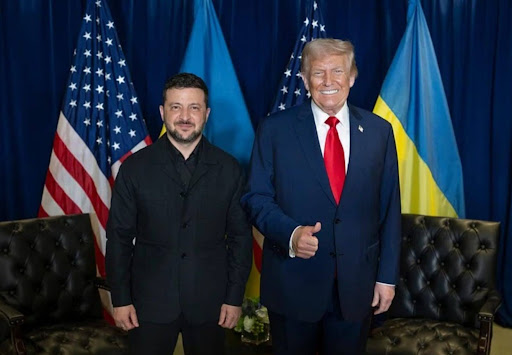
The proposal included a concept called “drone combat hubs” — installations in Jordan, Turkey, and Gulf states that would serve as forward defense networks against Iranian aerial threats. The August 18 White House meeting where Zelensky presented this idea reportedly ended with Trump directing his team to explore the concept further. Nothing came of that instruction.
The failure to act is now acknowledged within the administration as a serious mistake. One official used the phrase “tactical error” to describe the decision not to pursue Ukraine’s offer before the Iran conflict began. The human and financial cost of that error has been severe — seven US deaths and multimillion-dollar interception bills for attacks that a low-cost Ukrainian system might have stopped.
Ukraine’s response once asked has been swift and professional. Specialists departed for Jordan within a day of receiving the American request. Ukrainian teams are simultaneously supporting air defense efforts in Qatar, the UAE, and Saudi Arabia, providing both equipment and the trained pilots needed to operate interceptor drone systems effectively in combat conditions.