
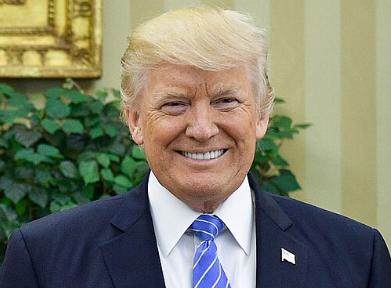
In a surprising turn of political events, Donald Trump has adopted a policy stance strongly associated with Senators Bernie Sanders and Josh Hawley: capping credit card interest rates at 10%. The president’s announcement on Friday echoes the core demands of a bipartisan bill introduced by the two senators in early 2025. That legislation had characterized interest rates above 25% as “loan sharking” and “extortion,” aiming to provide relief to working families.
Trump’s adoption of this policy comes just hours after Sanders publicly criticized him on social media. Sanders had accused the president of breaking his campaign promises and allowing Wall Street to “get away with murder” regarding high interest rates. The timing of Trump’s post—declaring that Americans would no longer be “ripped off”—suggests a direct reaction to this criticism. By setting a start date of January 20, Trump is attempting to reclaim the narrative on economic populism.
The economic reality behind this political maneuvering is grim. Credit card debt in the U.S. has ballooned from $770 billion in 2021 to over $1.17 trillion in 2024. The pressure on household finances is undeniable, making the idea of a rate cap popular among voters. However, the legislative failure of the Sanders-Hawley bill demonstrates the immense power of the banking lobby, which successfully argued that such caps would distort the market.
While Hawley celebrated Trump’s announcement as a “fantastic idea,” the practical application differs significantly from the legislative approach. A bill passed by Congress carries the force of law, whereas a social media announcement from the President faces ambiguous enforcement prospects. Critics like Senator Elizabeth Warren argue that without legislative backing, Trump’s move is merely performative and unlikely to result in the systemic change that Sanders and Hawley envisioned.
Furthermore, the reaction from the financial sector remains unchanged regardless of who proposes the cap. The American Bankers Association and other groups reiterated their stance that price controls on credit will inevitably harm the very consumers they are meant to help. They argue that if the government artificially depresses interest rates, banks will simply stop issuing cards to those with lower credit scores, potentially widening the financial inequality gap that Trump claims he wants to close.